Technology with heart.
For more than three decades, we've worked across disciplines, technologies, and industries to solve problems where the obvious approach wasn't good enough—or where no established solution existed at all. We combine digital technology with human judgment, commitment, and care to create solutions that work not only in theory, but in the real world.
Wanted: Problems worth solving.
Four moments from our history show what that approach looks like in practice.

Refusing to quit until the job is done.
For the 1998 Nagano Winter Olympics, Coca-Cola wanted to temporarily transform an existing building in its unmistakable trademark red. The installation would be needed for only the two weeks of the Games, making then-new large-format inkjet technology an intriguing solution.
There was one problem: accurately reproducing Coca-Cola red using CMYK printing was considered extraordinarily difficult. We imported a large-format printer—a technology not yet in widespread use in Japan—and began experimenting.
For nine months, we tested dozens of combinations of media and laminates while adjusting virtually every low-level parameter the printer made available. Eventually, we produced a red that earned Coca-Cola's approval—something those involved could not recall having previously been achieved with CMYK printing.
We went on to produce hundreds of square meters of graphics for use during the Olympic Games.

Harnessing technology to achieve customers' goals.
When a graduate program at Shinshu University set out to teach courses in English and make English proficiency part of its graduation requirements, it faced a practical problem: students entered with widely varying levels of English ability.
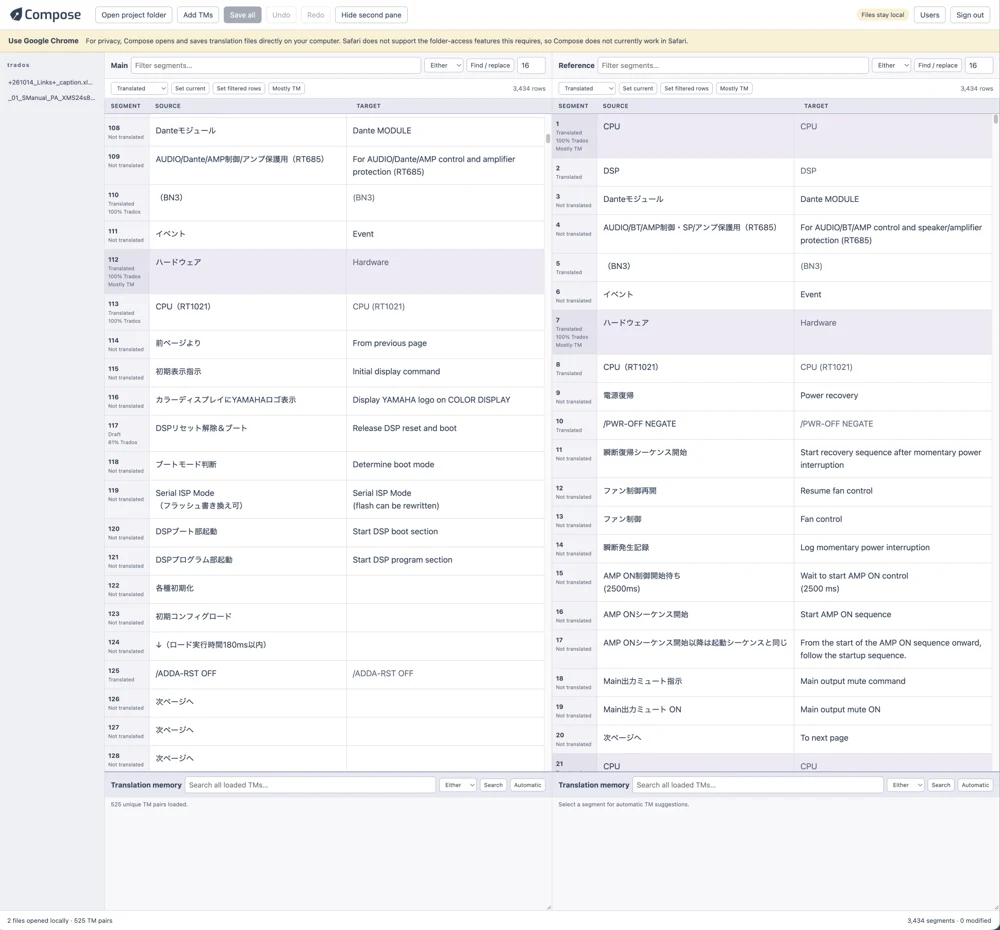
Building on an early video-based English learning system we had developed for NTT, we created a learning environment that could isolate individual sentences, phrases, and words from natural spoken dialogue and let students practice them precisely and repeatedly.
Over approximately seven years, we refined the technology under successive funding from Japan's Ministry of Education, Culture, Sports, Science and Technology. The system achieved precise, millisecond-level control of video playback while remaining simple enough for teachers with no programming experience to build and program their own lessons.
The technology ultimately evolved into Englio, which remains available for teachers and students.
Discover Englio →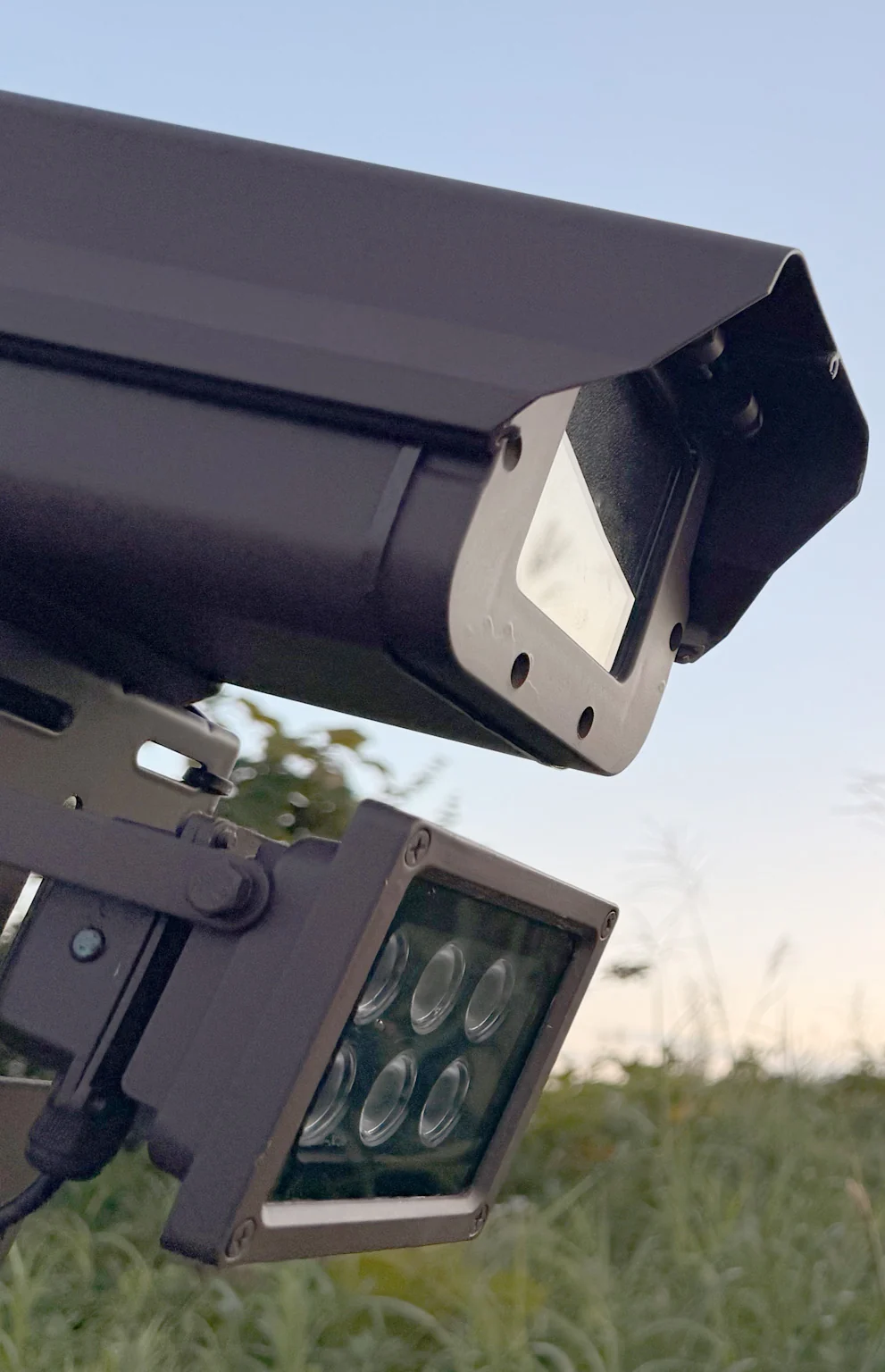
Contributing to our community.
UrsiQ began not as an AI project, but as a problem close to home.
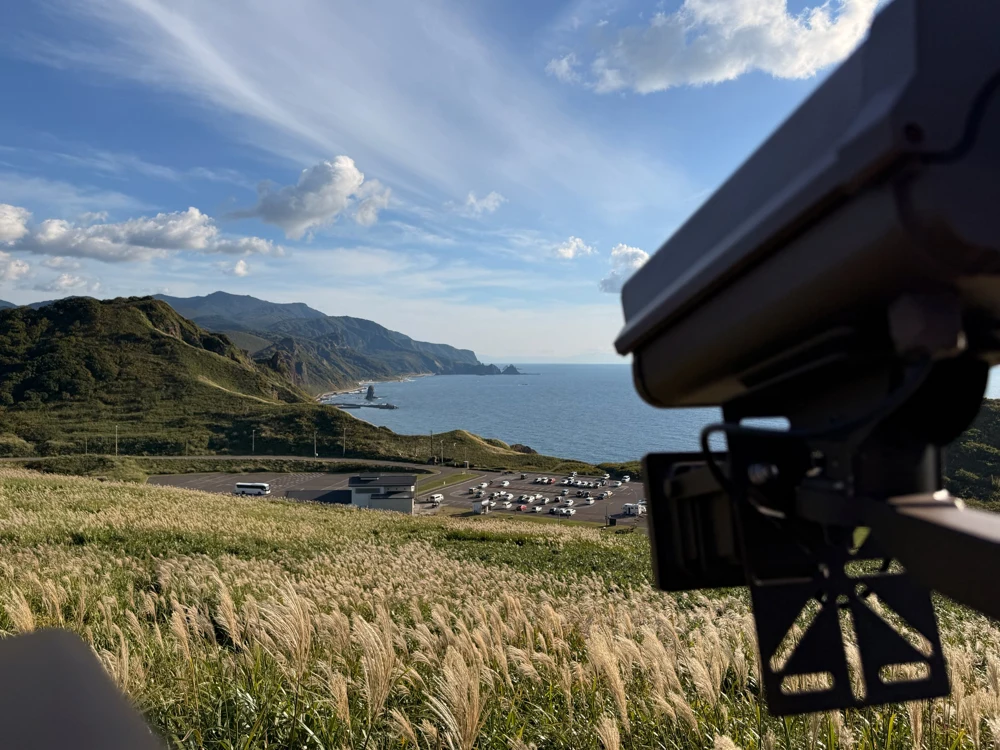
Here at the tip of the Shakotan Peninsula, bears are an immediate and sometimes deeply disruptive part of everyday life. At our local elementary school—with a total student population of just 11 children—students could be prevented from walking to school or playing outside for weeks on end after signs of a bear were reported nearby.
The difficulty was uncertainty. Was the bear still there? Had it moved on? In some cases, had there really been a bear there in the first place? Only time would tell, and for the kids, it was a story that stretched on for weeks.
We started developing UrsiQ to provide better evidence: to help communities make informed decisions that protect people without imposing unnecessary restrictions on everyday life.
Today, UrsiQ Mark III combines intelligent cameras, field processing, still imagery and video, adaptive sensing, AI analysis, and centralized coordination into a wildlife monitoring platform designed to operate continuously in remote environments where power, communications, and physical access are constrained.
Knowing what’s actually happening on the ground means better decisions—and a better chance for people and wildlife to coexist in peace. For bears to have the space to be bears. For kids to have the space to be kids.
And that’s just fine with the students at Yobetsu Elementary.
Discover UrsiQ →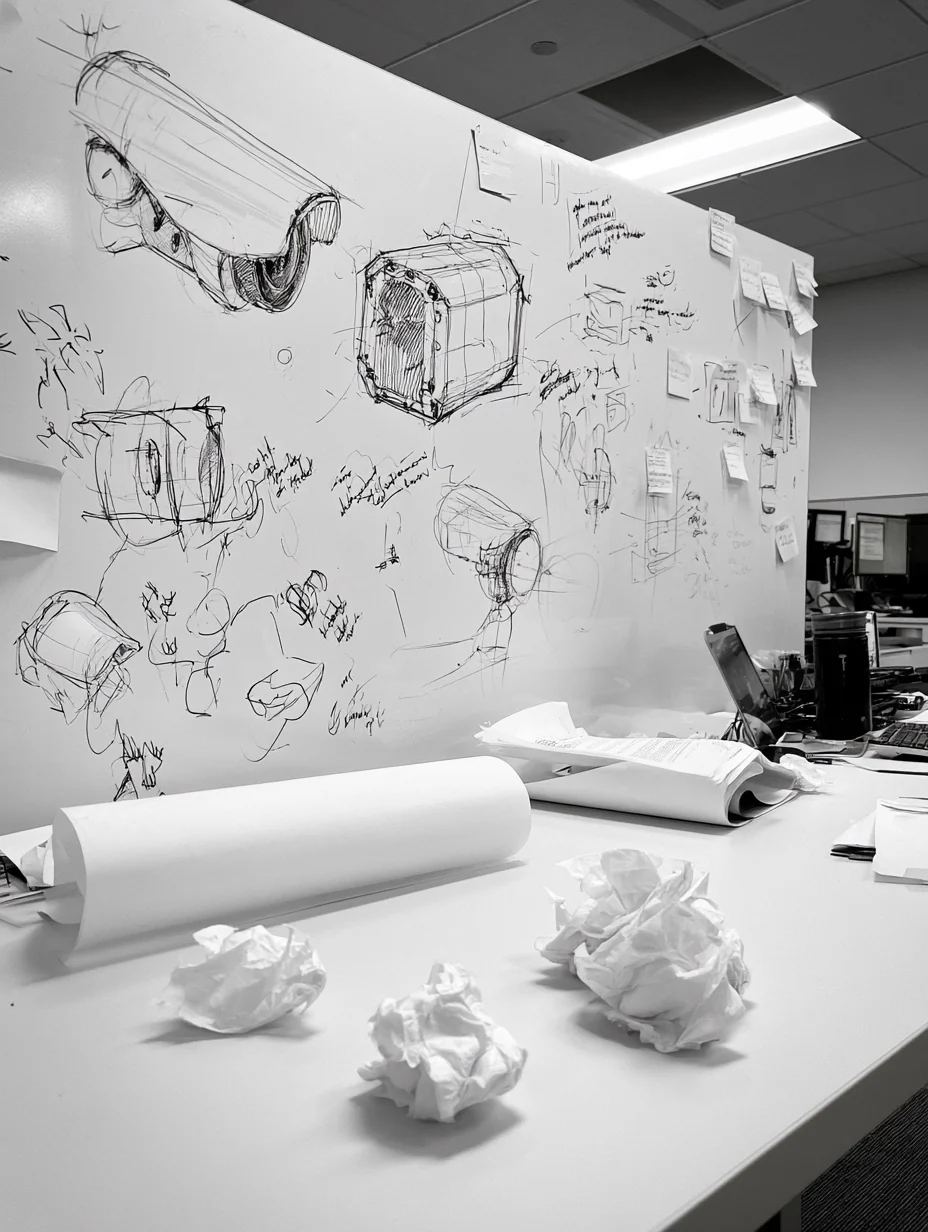
Accepting that sometimes the best next step is sudo reboot.
Innovation requires confidence. But it also requires the humility to recognize when something you've spent months or years building is no longer the best answer.
During the development of our English-learning technology, we rebuilt the software from scratch three separate times: first, as a modern desktop application; second, as an iPhone app; and finally, to run platform-agnostically in a browser. Each rebuild meant discarding a codebase containing many thousands of lines of working software--not because it had failed, but because what we had learned showed us how much better it could be. Today, we're in the process of rebuilding it yet again to take into account technical improvements over the last couple years and drastically reduce the authoring workload for teachers, allowing them to custom-tailor lessons to their students in record time.
UrsiQ has followed much the same path. We built close to a dozen camera enclosures, scrapping the entire design each time, before starting over once more to arrive at the current design—which we are now redesigning from scratch for the next hardware release. We have substantially rewritten the system software multiple times as well, sometimes abandoning a newly developed component in less time than it took to build because experience revealed a better way forward. There is, perhaps, no greater joy than a blank slate upon which to chart a better future.
We test assumptions. We learn from things that don't work. We change direction when the evidence tells us to. And when incremental improvement is no longer enough, we're willing to throw away what we've built and begin again.
Sometimes progress means improving what you have. Sometimes it means hitting delete and going back to the drawing board.
Tenacious. Creative.
Committed. Humble.

We bring persistence to problems without becoming attached to particular solutions. We experiment, learn, reconsider, and keep going until we find something that works—not merely in theory, but in the real world.
Our experience spans hardware design, software development, multimedia and learning, sophisticated server-side apps, and back-office operations. We've delivered large-scale projects on time and on budget, and built and maintained products over decades. It's a track record we're proud of—and one that has prepared us for the new challenges ahead.
We love complex, challenging problems—especially streamlining operations and overcoming the roadblocks that hold a business back. Tell us what you’re working through, and let’s explore it together in a free consultation.
Get in touch for a free consultation →